
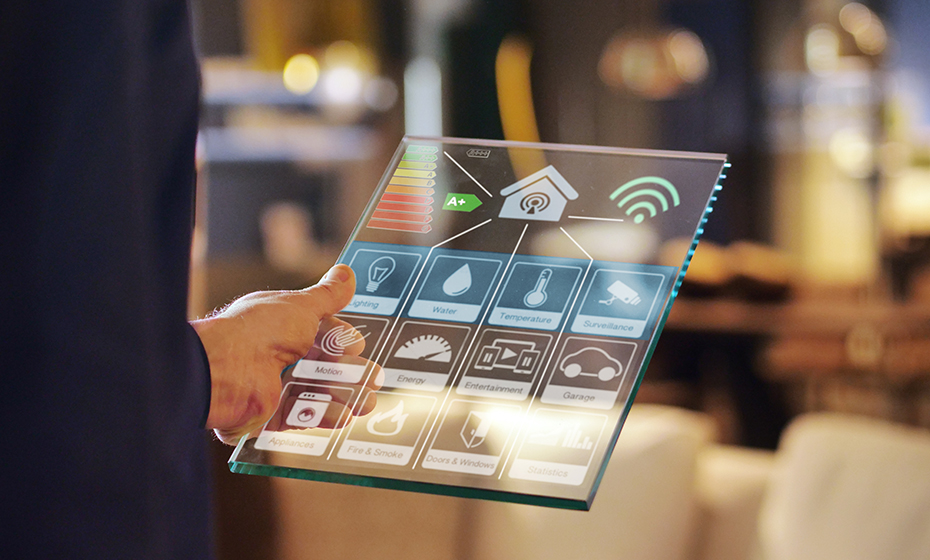
AI and Energy: How Artificial Intelligence Makes Energy Consumption Smarter
Storing energy is one thing. Deciding when to store, use or sell that energy is another. This is where an Energy Management System (EMS) comes in. With the help of artificial intelligence (AI), energy management is becoming increasingly intelligent, enabling homeowners and businesses to use their batteries and other energy assets more efficiently.
By combining real-time data, automation and artificial intelligence (AI), a smart EMS can make energy consumption more efficient and help homeowners and businesses get more value from their battery, solar panels and other energy assets. The software controlling the battery can have a major impact on the technical and financial value of the entire energy system.
In this blog, we explore how AI and a smart Energy Management System work together and what to consider when purchasing a battery energy storage system.
What is an Energy Management System?
An Energy Management System (EMS) is the intelligent software layer that enables different components of an energy system to work together.
This can include:
- solar panels;
- a battery or Battery Energy Storage System (BESS);
- the electricity grid;
- EV charging points and electric vehicles;
- industrial equipment;
- heat pumps and other electrical assets;
- dynamic energy contracts;
- energy markets.
- other electrical assets.
The EMS continuously collects data on energy generation, consumption, battery status and energy prices. Based on this information, it determines when energy should be stored, used or fed back into the grid.
A battery without intelligent control can therefore deliver significantly less value than a battery that forms part of a well-integrated EMS.
AI can forecast energy consumption and generation
By analysing historical and real-time data, an intelligent EMS can identify patterns and make predictions.
An AI-powered EMS can forecast, for example:
Energy consumption
At home, electricity demand can vary depending on when people are working, cooking, charging an electric vehicle or heating the house.
For businesses, energy consumption can depend on production schedules, opening hours, machinery and seasonal demand. By analysing historical data, the system can identify patterns in a company’s electricity consumption.
When is demand normally highest?
Which days are typically quieter?
Which processes create peaks?
How does consumption change during weekends or holidays?
The more accurately energy consumption can be forecast, the more intelligently the battery can be used.
Solar generation
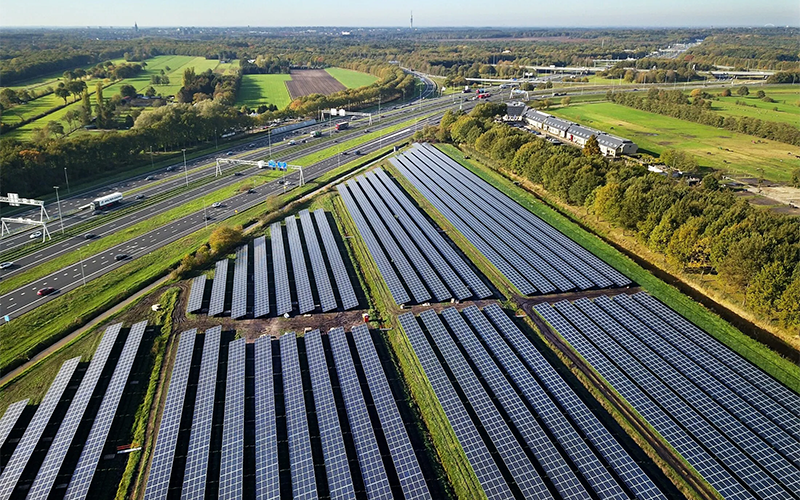
Solar generation changes continuously depending on weather conditions, while electricity prices can fluctuate significantly throughout the day. Weather forecasts, historical generation data and real-time measurements can be combined to estimate expected solar output.
The EMS can then anticipate when excess solar electricity is likely to be generated and make sure there is sufficient battery capacity available to store the surplus energy.
Electricity prices
With a dynamic energy contract, electricity prices can vary throughout the day.
A smart EMS can incorporate this price information into its charging and discharging strategy.
This creates an important principle:
It is not just about storing energy. It is about storing energy at the right time.
If electricity prices are expected to be low at another point during the day, it may make sense to charge the battery at that time. When prices subsequently increase, the system can decide to use energy stored in the battery instead.

Peak shaving: managing demand peaks more intelligently
For many businesses, peak shaving is an important reason to consider energy storage and management.
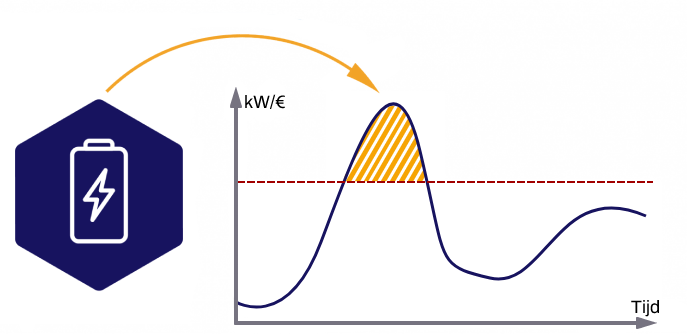
When electricity demand temporarily increases significantly, the battery can supply part of this additional demand. This reduces the amount of power the business needs to draw from the grid at that moment.
An intelligent EMS can predict when a peak is likely to occur and prepare the battery accordingly.
This is important because a battery should not simply react once a peak is already happening. The required capacity must also be available at that precise moment.
AI can therefore help businesses reserve battery capacity more strategically. The energy transition is changing the way businesses think about electricity. Where a battery was once primarily seen as a way of storing energy, it is increasingly becoming part of an intelligent energy system. The combination of real-time data, forecasting and automated control makes it possible to use a battery in a much more dynamic way. Not simply to store energy, but to continuously determine where, when and how that energy can create the most value.
Novectra: making energy work smarter
A future-proof battery solution is about more than hardware. Real value is created when battery storage, energy generation, consumption and intelligent software work together as one integrated Energey Manegement System.
Novectra helps homeowners and businesses make smart use of energy storage and energy management, with a focus on both the technical and economic aspects of the energy system. Whether your goal is to reduce peak demand, maximise the value of renewable energy, lower energy costs or make better use of your battery, an intelligent Energy Management System can make the difference.
Curious about the role a battery and Energy Management System could play for your energy system?
Get in touch with Novectra and discover how you can manage energy consumption more intelligently, make better use of renewable energy and get more value from energy storage.
Let’s make your energy work smarter.